



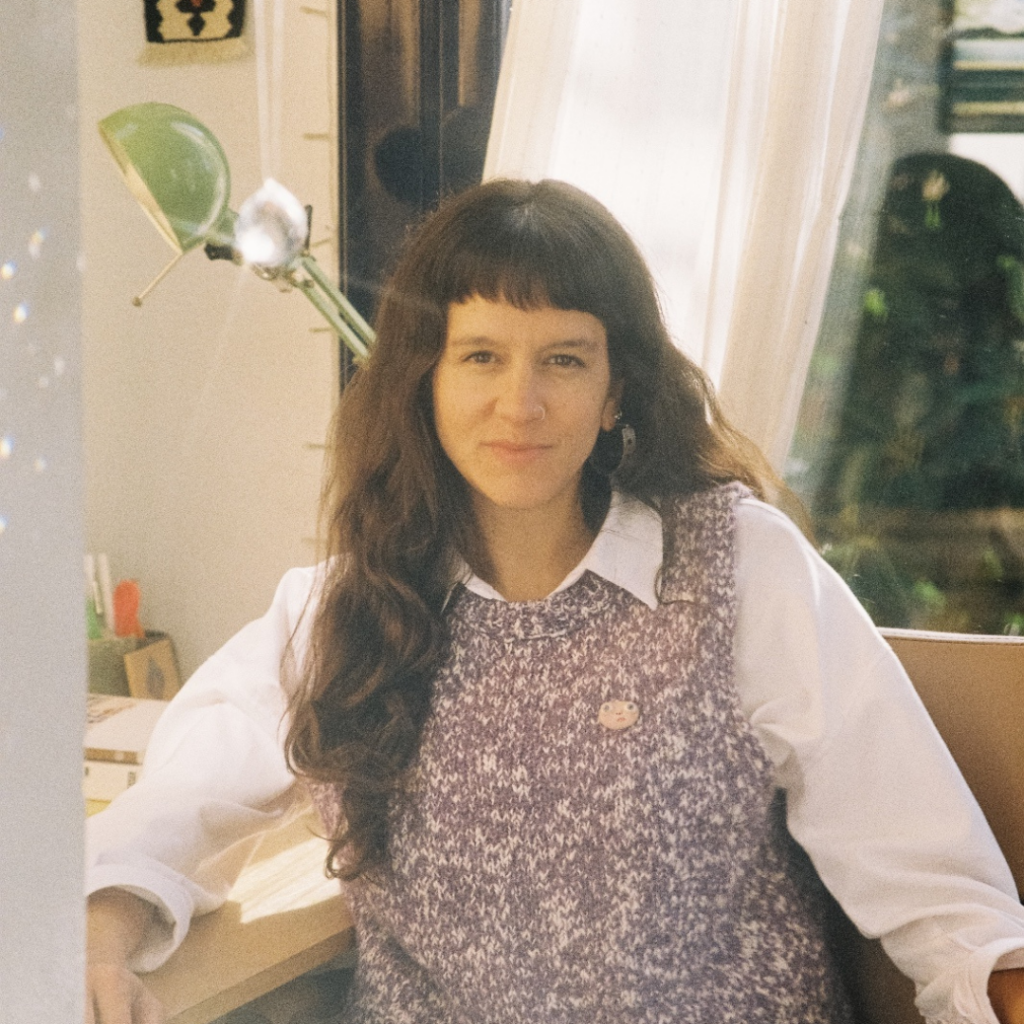
Body Image Therapy: rebuilding a healthier relationship with your body
Терапия образа тела helps people understand and change the way they relate to their body, appearance, weight, shape or perceived physical flaws. It is not about convincing someone to “just love themselves” or ignore real discomfort. The goal is to reduce body-related distress, challenge harmful patterns, and build a more stable, respectful relationship with the body.
Body image difficulties can affect daily life in many ways. A person may avoid mirrors, photos, intimacy, swimming, exercise, social events or certain clothes. Others may check their appearance repeatedly, compare themselves to others, feel ashamed after eating, or organise their day around body-related anxiety. These patterns can become exhausting, even when the person seems to function well from the outside.
Body Image Therapy may be useful for people struggling with проблемы с образом тела, расстройства пищевого поведения, низкая самооценка, стыд и вина, emotional eating, body checking, avoidance, perfectionism or negative self-talk. It can also support people whose body image has been affected by trauma, bullying, illness, pregnancy, ageing, cultural pressure or major life changes.
What body image therapy works on
Body image is not only about appearance. It includes thoughts, emotions, memories, sensations, beliefs and behaviours linked to the body. Therapy helps identify what maintains distress: critical inner dialogue, comparison habits, avoidance, rigid rules, fear of judgment, painful past experiences or pressure to meet unrealistic standards.
- Reducing body checking, avoidance and comparison behaviours.
- Understanding the link between body image, emotions and self-worth.
- Challenging harsh beliefs about appearance, weight or shape.
- Building more neutral, compassionate and realistic body awareness.
- Reconnecting with the body through safety, function and lived experience.
For some clients, the work is practical and structured. For others, it is more exploratory, especially when body image is linked to trauma, attachment, sexuality, identity, grief or chronic illness. A good therapist adapts the pace and does not treat body image concerns as vanity or superficial insecurity.
Что происходит на сеансах?
The first sessions usually explore the person’s current difficulties, history, triggers and goals. The therapist may ask when the body image problem started, what situations make it worse, what the person avoids, and how body-related thoughts affect eating, relationships, sexuality, work, movement or mood.
Sessions may include psychoeducation, thought tracking, behavioural experiments, exposure to avoided situations, mirror work, self-compassion exercises, body neutrality practices, emotional regulation tools or values-based action. The therapist may also help the person notice the difference between caring for the body and trying to control the body from fear or shame.
When body image concerns are connected to eating disorders, therapy should be handled carefully. Some clients may also need support from a doctor, psychiatrist, dietitian or specialised eating-disorder service. Body Image Therapy can be part of recovery, but it should not replace medical care when physical health, nutrition, purging, restriction or compulsive exercise are involved.
Approaches often used in body image therapy
Body Image Therapy may be integrated with several evidence-informed approaches. Когнитивно-поведенческая терапия (КПТ) can help identify distorted thoughts, checking behaviours and avoidance cycles. Терапия принятия и приверженности (ACT) can help people reduce the power of painful thoughts while reconnecting with values and meaningful action.
Терапия, сфокусированная на сострадании (CFT) may be useful when shame, self-criticism and fear of judgment are central. Соматическая терапия can support people who feel disconnected from the body or experience body sensations as unsafe. Some therapists may also integrate mindfulness, schema therapy, trauma-informed work or relational therapy depending on the client’s needs.
Body neutrality and self-compassion
Many people feel pressured to move directly from body hatred to body love. For some, that feels unrealistic. Body Image Therapy may instead begin with body neutrality: learning to experience the body as more than an object to evaluate. This can include noticing what the body allows the person to do, how it signals needs, and how it deserves care even when the person does not feel confident.
Self-compassion is also important. It does not mean giving up on health or personal goals. It means reducing cruelty toward oneself, especially when distress is high. A less punishing relationship with the body often makes sustainable change more possible than shame-based control.
Подходит ли вам терапия образа тела?
Body Image Therapy may be a good fit if body-related thoughts or behaviours take up too much mental space, limit your choices, affect eating or movement, reduce intimacy, or make daily life feel smaller. It can also help when body dissatisfaction is linked to anxiety, depression, shame, trauma or relationship difficulties.
A first appointment can clarify what is maintaining the problem, what kind of support is safest, and whether the therapist’s approach matches your needs. The work should feel collaborative, respectful and paced carefully. Progress is not about perfect confidence; it is about having more freedom, less shame and a more stable relationship with your body.
This content is for general information only and does not replace diagnosis, emergency support, eating-disorder treatment or medical care from a qualified professional.
Что такое терапия образа тела?
Body Image Therapy is a therapeutic approach used by trained professionals to help people understand difficulties, reduce symptoms, and create more sustainable patterns in everyday life. It is commonly connected on this site with concerns such as Body image issues, Eating disorders, Self-esteem, and Shame & guilt. The exact format depends on the therapist’s training, the client’s goals, the severity of symptoms, and whether the work is short-term, structured, exploratory, or integrative.
Страница, посвященная терапии, должна помочь посетителям понять как метод, так и опыт посещения сеансов. Многие люди приходят с практическими вопросами: Что происходит на первой встрече? Является ли подход директивным? Получу ли я упражнения? Сколько времени это может занять? С какими проблемами можно справиться? Четкие ответы снижают тревогу и помогают человеку выбрать поддержку, соответствующую его ожиданиям.
Body Image Therapy may be used as a primary model or as part of an integrative plan. Some therapists combine it with psychoeducation, mindfulness, trauma-informed stabilization, body-based regulation, communication skills, or relapse prevention. The best use of any method is not mechanical; it is adapted to the person sitting in the room.
Отношения между терапевтом и клиентом остаются центральными. Даже высокоструктурированная терапия зависит от доверия, ясности и сотрудничества. Терапевт должен объяснять, почему используется тот или иной инструмент, приглашать к обратной связи и корректировать темп работы, если она кажется слишком быстрой, неясной или интенсивной.
What Body Image Therapy can help with
На сайте My International Therapy методы лечения связаны со страницами патологий, чтобы посетители могли легко перемещаться между проблемой, которую они распознали, и методом лечения, который может ее решить. Эти ссылки не являются диагнозом или обещанием результата; они служат навигационным пособием, помогающим людям узнать, какие подходы часто оказываются уместными.
Одна и та же терапия может преследовать разные цели для разных людей. Для одного клиента в центре внимания может быть уменьшение симптомов. Для другого это может быть понимание моделей отношений, обработка травматических воспоминаний, улучшение эмоциональной регуляции или восстановление уверенности в себе. Именно поэтому первые сессии обычно включают в себя оценку и совместную постановку целей.
Терапевты также могут адаптировать работу при наличии сопутствующих проблем, таких как трудности со сном, хронический стресс, нейроразнообразие, зависимость, горе, травма или медицинские проблемы. При необходимости этическая помощь может быть согласована с врачом, психиатром, диетологом или другим специалистом.
Что ожидать от сеансов
Первая сессия обычно начинается с рассказа о текущей ситуации, истории, целях и о том, что, как он надеется, изменится. Терапевт может спросить о симптомах, отношениях, работе, сне, стратегиях преодоления, рисках, сильных сторонах и предыдущей поддержке. Хорошая первая сессия должна оставить клиента с более четким пониманием плана, даже если не все удастся решить сразу.
- Уточнение целей и приоритетов
- Создание общего понимания моделей и триггеров
- Выбор практических инструментов или рефлексивного фокуса
- Анализ прогресса и корректировка плана
- Планирование межсессионной практики, когда это необходимо
In structured forms of Body Image Therapy, sessions may include exercises, worksheets, experiments, exposure tasks, skills practice, or progress measures. In more exploratory forms, sessions may focus on emotions, memories, dreams, relationship patterns, identity, or meaning. Many therapists combine structure and exploration depending on what the client needs.
Между сеансами клиенту можно предложить понаблюдать за закономерностями, попробовать стратегию преодоления, потренироваться в общении, отследить симптомы или поразмышлять над конкретным вопросом. Эти задачи должны быть реалистичными. Терапия не направлена на то, чтобы выполнить все идеально; она направлена на то, чтобы учиться на опыте в поддерживающей, неосуждающей манере.
How long does Body Image Therapy take?
The duration of Body Image Therapy varies. Some clients use it as short-term focused support for a specific problem and may notice progress within several weeks. Others need longer work because the difficulty is complex, has been present for years, involves trauma, or affects several areas of life. The therapist should review progress regularly and discuss whether the current approach still fits.
Практическое начало - от 6 до 12 сеансов для достижения сфокусированных целей, а затем обзор. Это не означает, что терапия должна прекратиться на этом этапе. Это просто дает клиенту и терапевту структуру для проверки того, что улучшилось, что остается трудным и стоит ли продолжать, сделать паузу, изменить частоту или обратиться к другому виду поддержки.
Частота тоже имеет значение. Еженедельные занятия могут дать импульс при активных симптомах. Занятия раз в две недели или месяц могут быть полезны для поддержания, интеграции или при плотном графике. Правильный ритм зависит от риска, целей, доступности, финансов и типа выполняемой работы.
Подходит ли вам терапия образа тела?
Body Image Therapy may be a good fit if its style matches your goals and preferences. Some people want concrete tools and a clear structure. Others want space to explore feelings, memories, and relationships. Some need trauma-informed pacing; others want support with decisions, work, parenting, intimacy, or identity. The best choice is the one that makes change possible while feeling safe enough to continue.
You can ask a therapist: What training do you have in Body Image Therapy? What concerns do you usually treat with it? How do you measure progress? What happens if I feel stuck? Do you offer online therapy? How do you handle risk or crisis situations? These questions are normal and can help you choose confidently.
It is also acceptable to change direction. If Body Image Therapy does not feel helpful after a fair trial, the therapist and client can adjust goals, change techniques, increase structure, slow down, or consider a different approach. Therapy should be collaborative rather than rigid.
Внутренние ссылки и дальнейшие действия
This therapy page is designed to connect with related pathology pages and therapist profiles. For example, a visitor may read about a concern, follow a link to Body Image Therapy, then review therapists who offer relevant support. This creates a clearer path through the site and helps each page support the others.
If you are considering Body Image Therapy, start by identifying one or two goals you would like help with. Then review therapist profiles, training, languages, availability, and whether the therapist offers online or in-person sessions. A first appointment can clarify whether the approach and therapist feel like a good fit.
Цель этой страницы - образовательная. Она не ставит диагноз, не обещает результатов и не заменяет профессиональную оценку. Она дает структурированный обзор, чтобы люди, ищущие терапию, могли принять более обоснованное решение и двигаться к поддержке с меньшей неуверенностью.
How Body Image Therapy is adapted to each person
Метод терапии никогда не должен применяться как жесткий сценарий. Терапевт адаптирует язык, темп, упражнения и глубину в соответствии с историей, культурой, возрастом, толерантностью нервной системы, уровнем риска и практическими обстоятельствами. Человеку, который сильно перегружен, может потребоваться сначала стабилизация. Тот, кто готов к структурным изменениям, может получить пользу от четких задач, отслеживания и экспериментов. Человеку, пережившему травму в отношениях, может потребоваться больше времени для установления доверия, прежде чем можно будет исследовать сложные воспоминания или паттерны.
Адаптация также подразумевает выявление барьеров. У клиента может быть ограниченное время, финансовые трудности, обязанности по уходу за детьми, языковые предпочтения, хронические заболевания, нейродивергенция или негативный опыт терапии в прошлом. Хорошая терапия серьезно относится к этим реалиям. Она старается сделать работу пригодной для использования в реальной жизни, а не ожидает, что клиент будет соответствовать идеальной модели.
Online therapy can also change the experience of Body Image Therapy. Some people feel safer speaking from home, while others prefer a dedicated office because it creates separation from daily life. When therapy is online, it can help to choose a private space, test the connection, keep water nearby, and plan a few minutes after the session before returning to work or family tasks.
Questions to ask before starting Body Image Therapy
Перед бронированием можно задать практические и клинические вопросы. Практические вопросы включают в себя стоимость услуг, политику отмены, продолжительность сеанса, доступность в режиме онлайн, языки, а также то, работает ли терапевт с соответствующей возрастной группой или местом проживания. Клинические вопросы включают в себя подготовку, опыт работы с основной проблемой, структуру первых сессий и оценку прогресса.
Также полезно спросить, что происходит, когда сеансы становятся трудными. Терапия может вызывать сильные эмоции, стыд, горе, страх или сопротивление. Терапевт должен быть в состоянии объяснить, как он справляется с темпом, безопасностью, обратной связью и моментами, когда клиент чувствует, что застрял. Такой разговор не является конфронтационным; это часть построения совместных рабочих отношений.
The fit between therapist, method, and client matters as much as the name of the approach. A person may choose Body Image Therapy because it matches their goals, but the work still needs warmth, clarity, ethical boundaries, and a sense that the therapist understands the problem. When these elements are present, therapy is more likely to feel safe enough for honest change.
Поэтому эта страница работает как мост. Она представляет терапию, связывает ее с соответствующими страницами патологий и помогает посетителям перейти к профилям терапевтов, где они могут сравнить доступность, языки, специализации, варианты онлайн-заказа и детали бронирования. Такая структура поддерживает как путешествие пользователя, так и стратегию внутренней перелинковки сайта.
Для обеспечения качества контента полезно обновлять эту страницу при изменении предложения услуг. Если к платформе присоединяются новые терапевты, если терапия становится доступной на нескольких языках или если добавляются новые страницы патологий, внутренние ссылки должны оставаться согласованными. Автоматическое согласование в этом плагине сохраняет структуру последовательной, в то время как терапевт или менеджер сайта может редактировать окончательную формулировку, когда требуется более конкретный клинический угол.
Медицинская оговорка: данное содержание предназначено только для общей информации и не заменяет диагностику, экстренную помощь или лечение у квалифицированного специалиста.