In immediate danger? Call 112 now (free emergency number across Europe) or go to the nearest emergency department. If you can, stay with someone you trust.
- France: 3114, national suicide prevention line, free, 24/7. Medical emergency: 15
- Germany: TelefonSeelsorge 0800 111 0 111 or 0800 111 0 222, free and anonymous, 24/7
- Spain: 024, suicide prevention line, free, 24/7
- UK and Ireland: Samaritans 116 123, free, 24/7
- Other countries: findahelpline.com lists free helplines by country
My International Therapy does not provide emergency or crisis care, and our therapists cannot respond to urgent situations. In a crisis, contact the services above.
What is self-harm?
Self-harm means hurting yourself on purpose, usually as a way to cope with emotions that feel overwhelming. For many people it brings short-term relief from emotional pain, numbness, anger or shame, followed by guilt and a need to hide it. Self-harm is not always linked to a wish to die, but it is a sign of serious distress and it increases the risk of suicide over time, so it always deserves care.
Self-harm affects people of all ages and backgrounds. It is not attention-seeking and it is not a choice that people can simply stop by willpower: it is a coping strategy that can be replaced, with support, by safer ones.
Why people self-harm
People describe very different reasons: releasing unbearable tension, feeling something when they feel numb, punishing themselves, regaining a sense of control or expressing pain they cannot put into words. Self-harm is often connected with difficulties in emotional regulation, trauma, depression, shame and guilt, eating disorders or borderline personality disorder.
Possible signs
- Unexplained injuries, or explanations that do not quite fit
- Covering arms or legs even in warm weather
- Withdrawing from others, spending long periods alone
- Low mood, irritability or talk of being a bad person
Taking care of yourself right now
If you have hurt yourself and the injury is deep, bleeding heavily or you feel unwell, call 112 or go to the emergency department. If you feel the urge to self-harm, try to delay it, reach out to someone, or contact one of the helplines above: they also listen to people who self-harm. Telling a doctor you trust is an important first step.
How therapy can help
Therapy helps you understand what triggers the urge, find other ways to get through intense emotions and work on what lies beneath. Dialectical behaviour therapy (DBT) was developed for people who self-harm and has the strongest evidence; CBT, compassion-focused therapy and trauma-focused work can also help. Medical follow-up is often needed alongside therapy. Our therapists offer ongoing therapy, not emergency care.
If someone you care about self-harms
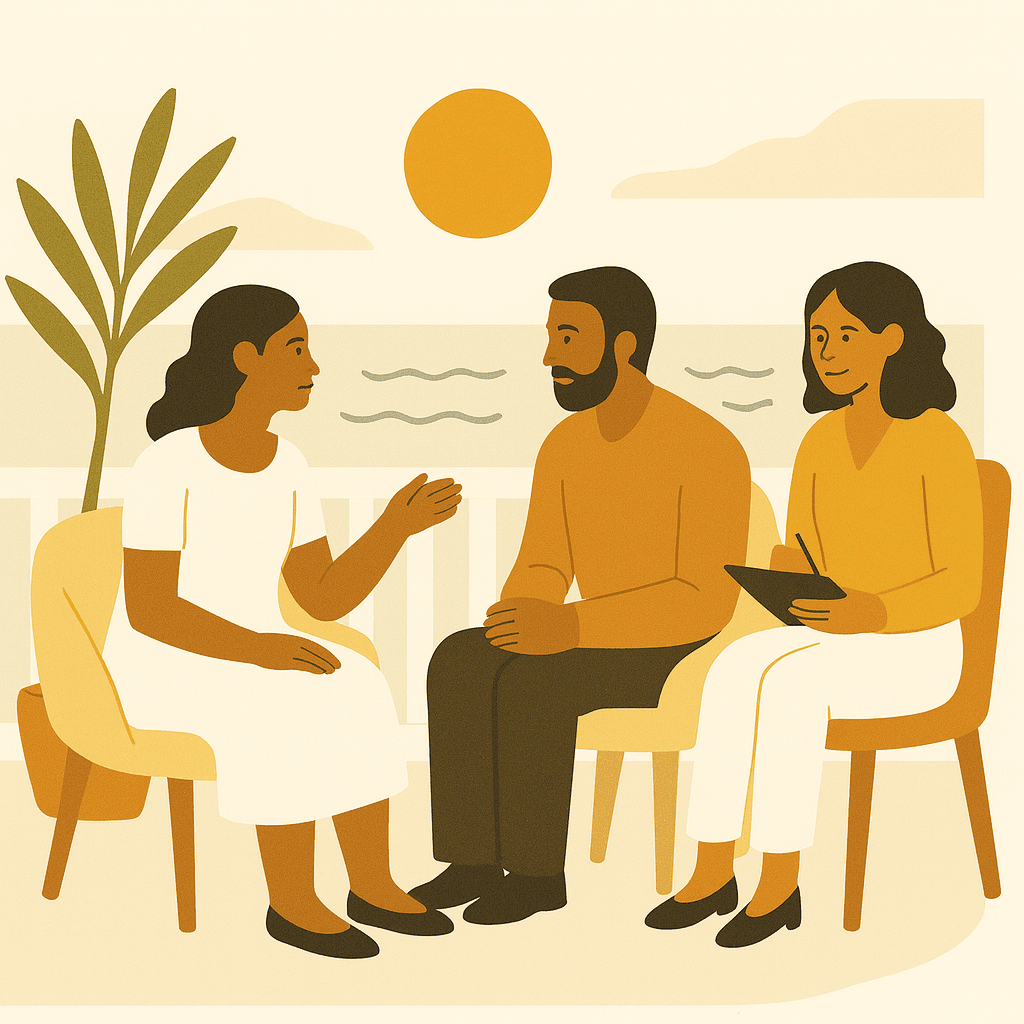
Stay calm and listen without judging or giving ultimatums: anger or panic can increase shame and secrecy. Ask how you can help, encourage them to see a doctor or therapist, and look after your own wellbeing too. If you think their life is in danger, call 112.
When to seek support
As soon as possible, whether self-harm happened once or has been going on for years. Support works best when it starts early, and you do not need to stop before asking for help.
This page gives general information about mental health. It does not replace a medical diagnosis, treatment or emergency care. If you are worried about your safety or someone else’s, contact emergency services.