italienAnglais
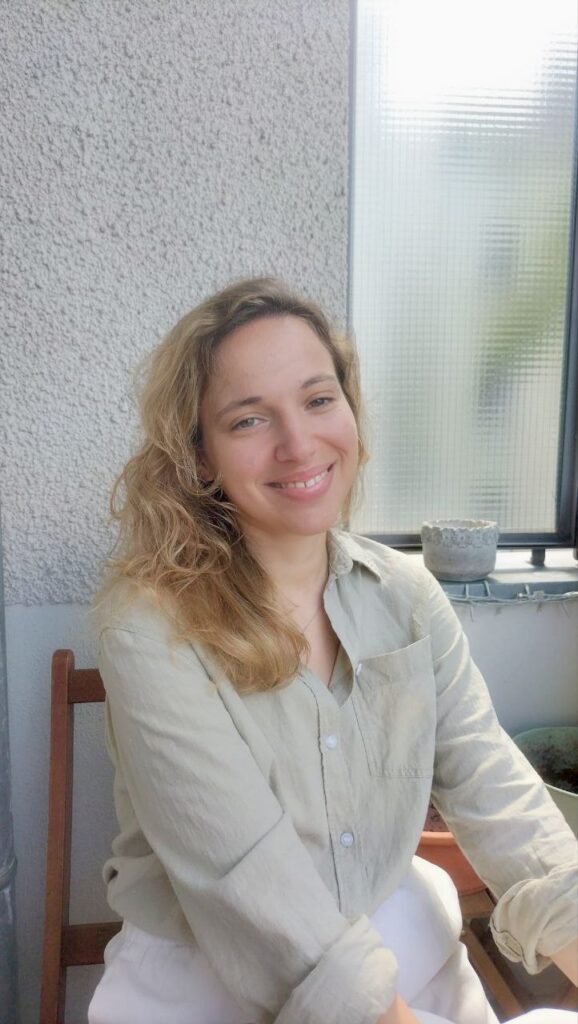
Giulia Civadda
Psychologue
Je suis Giulia Civadda, thérapeute comportementale et cognitive (EABCT) et EMDR (Niveaux I et II). Je travaille avec des adultes en italien et en anglais, dans…
Consulter le profil
Trouvez de l'aide et du soutien pour les thérapeutes de la Thérapie des Schémas à Berlin
Je suis Giulia Civadda, thérapeute comportementale et cognitive (EABCT) et EMDR (Niveaux I et II). Je travaille avec des adultes en italien et en anglais, dans…
Consulter le profilJe suis Giulia Civadda, thérapeute comportementale et cognitive (EABCT) et EMDR (Niveaux I et II). Je travaille avec des adultes en italien et en anglais, dans…
Consulter le profil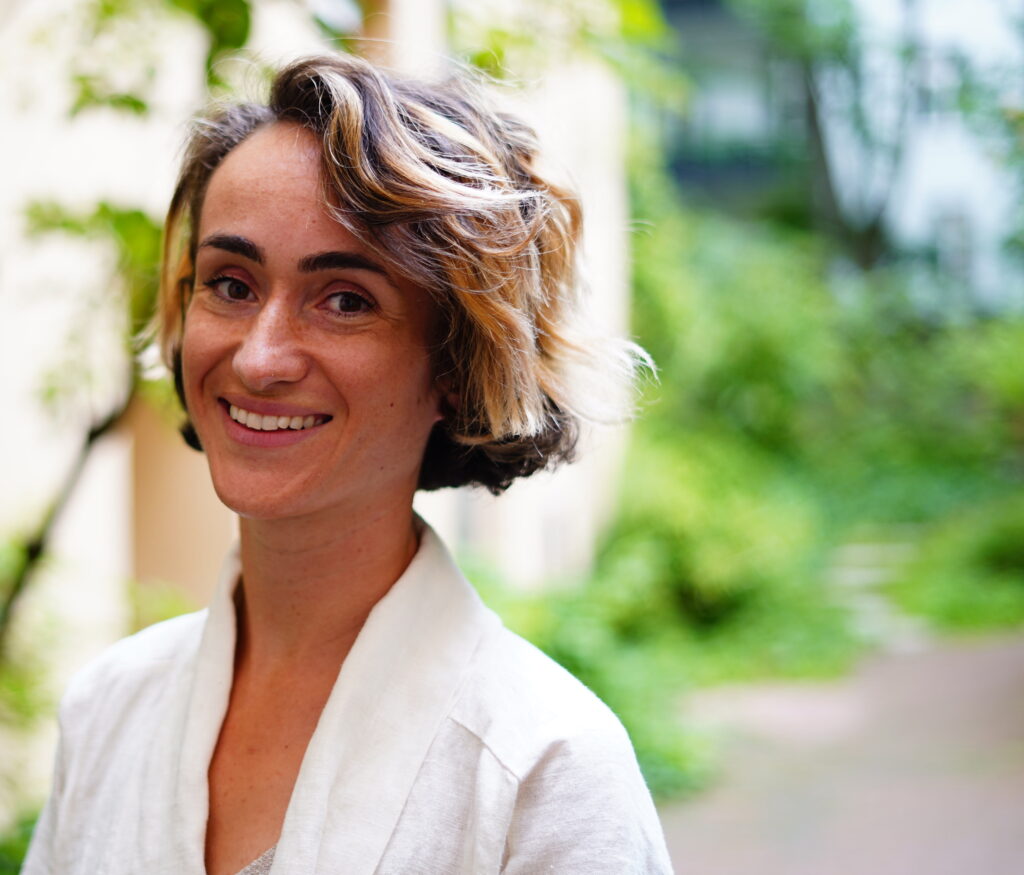
Psychologue Clinicienne & Psychothérapeute N° RPPS 10009716845 Fondatrice de My International Therapy & Centre Pensées Approche centrée sur le trauma • TCC • EMDR…
La thérapie des schémas aide les personnes à comprendre et à modifier des schémas émotionnels de longue date. Ces schémas, appelés schémas, se développent souvent à partir d'expériences précoces. Ils peuvent façonner la manière dont une personne se perçoit, perçoit les autres et les relations. Lorsqu'un schéma est déclenché, la personne peut se sentir submergée, rejetée, honteuse, en colère, vide ou pas en sécurité.
Cette approche peut aider à anxiété, dépression, régulation émotionnelle, estime de soi, faible confiance en soi, difficultés de personnalité, problèmes relationnels et trouble de la personnalité borderline (BPD).
Les thèmes courants incluent la peur de l'abandon, la peur du rejet, le sentiment d'être défectueux, le fait de chercher à plaire aux autres, le perfectionnisme, une auto-critique sévère et la difficulté à dire non. Certaines personnes répètent les mêmes schémas relationnels malgré de solides efforts pour changer. D'autres évitent l'intimité, travaillent excessivement, cherchent à contrôler les situations ou se ferment émotionnellement pour se protéger.
La thérapie des schémas examine les schémas, les styles d'adaptation et les modes. Un schéma est une croyance émotionnelle profonde ou une attente. Un style d'adaptation est la façon dont la personne essaie de gérer la douleur. Un mode est l'état émotionnel qui prend le dessus lorsque le schéma s'active. Par exemple, une personne peut basculer dans un état vulnérable, dans un état de protecteur détaché ou dans un état de critique intérieure sévère.
Les séances commencent généralement par l'examen des difficultés actuelles de la personne, de son histoire, de ses déclencheurs, de ses relations et de ses objectifs. Le thérapeute et le client construisent ensuite une carte claire du schéma. Le travail peut inclure des discussions, des exercices d'imagerie, le travail sur la chaise, des exercices axés sur les émotions, des mises en pratique comportementales et des réflexions entre les séances.
L'objectif n'est pas de blâmer le passé. L'objectif est de comprendre comment d'anciennes stratégies d'adaptation affectent encore la vie adulte. Avec le temps, la personne peut répondre à ses besoins émotionnels de manière plus saine, réduire la honte, renforcer ses limites et construire une voix intérieure plus bienveillante.
La thérapie des schémas peut convenir aux personnes qui comprennent leurs schémas intellectuellement mais les répètent encore au niveau émotionnel. Elle peut aussi aider lorsque des thérapies antérieures ont apporté des éclairages mais n'ont pas entièrement modifié la réponse émotionnelle profonde. Si nécessaire, thérapie en ligne peut faciliter l'accès à ce soutien.
Trouvez des thérapeutes vérifiés à Berlin — en ligne ou en présentiel. Soutien en anglais et dans d'autres langues pour les expatriés, les internationaux et les locaux.
Pour la Thérapie des Schémas à Berlin, vous pouvez généralement vous attendre à un prix autour de
Ateliers et ressources liés à cette thérapie et à cette ville.
Bénéficiez d'un centre de santé bien implanté avec des locaux physiques
Nous vérifions les profils des thérapeutes disponibles sur la plateforme.
My International Therapy, contrairement à la plupart des plateformes, propose des cabinets que vous pouvez visiter à Berlin
Une plateforme pensée et réalisée par des thérapeutes titulaires d'une licence dans l'UE, avec un soutien sanitaire vérifié.
Choisissez un thérapeute vérifié, connectez-vous à votre tableau de bord pour gérer votre réservation
Envoyez un message ou réservez via la page dédiée de votre thérapeute
Connectez-vous à votre tableau de bord patient sécurisé
Envoyez facilement des messages à votre thérapeute et gérez vos rendez-vous

Schémas
Votre thérapeute adaptera le rythme et l'orientation des séances à vos besoins, à vos objectifs et à votre situation actuelle.
La thérapie des schémas est souvent utilisée pour des problèmes tels que l'anxiété, le trouble de la personnalité borderline (BPD), la dépression, la régulation émotionnelle, le manque de confiance en soi et les difficultés liées à la personnalité.
La page consacrée à cette thérapie indique également quels thérapeutes du MIT proposent actuellement cette approche.
La première séance est généralement consacrée à comprendre ce qui vous amène à suivre une thérapie, ce que vous souhaitez changer et si le style du thérapeute vous semble adapté.
Vous n'avez pas besoin de tout préparer à la perfection à l'avance. Il est normal de commencer par se poser des questions, d'éprouver des doutes ou d'avoir des sentiments mitigés.
Cela dépend de vos objectifs, de la complexité de la situation à laquelle vous êtes confronté(e) et du degré de structuration de l'approche. Certaines personnes ont recours à cette thérapie pour un travail ciblé à court terme, tandis que d'autres s'y engagent sur le long terme afin d'opérer un changement plus profond.
La disponibilité dépend du thérapeute. Sur MIT, vous pouvez consulter les fiches et les pages de profil des thérapeutes pour savoir s'ils proposent des séances en ligne.
Les tarifs varient selon le thérapeute. Lorsqu'aucun tarif de thérapeute en présentiel n'est encore disponible, la fourchette habituelle pour cette thérapie se situe autour de 80 €–150 € par séance.
Commencez par consulter le profil du thérapeute, son expérience, les langues qu’il maîtrise, ses disponibilités (en ligne ou en présentiel) et son approche. Vérifiez ensuite si cette personne traite le type de problème pour lequel vous souhaitez obtenir de l’aide.
Pour qu'il y ait une bonne entente, il faut souvent à la fois de l'expertise et le sentiment de sécurité, de compréhension et de bien-être que l'on éprouve auprès du thérapeute.
Oui. Les profils MIT peuvent inclure une fonctionnalité de messagerie directe, et les thérapeutes peuvent également activer la prise de rendez-vous en ligne lorsque cette option est disponible.
Cela permet aux patients de poser des questions concrètes avant de s'engager pour une première séance.
C'est très courant. Vous pouvez commencer par prendre contact avec un thérapeute, lui expliquer ce qui vous préoccupe et lui demander si cette approche correspond à vos objectifs.
Si aucun thérapeute n'est encore répertorié pour cette thérapie, vous pouvez tout de même découvrir sur le site des approches et des pathologies connexes.
Découvrez d'autres options de thérapie disponibles à Berlin. Cliquez sur une thérapie pour voir les thérapeutes qui la proposent dans cette ville.
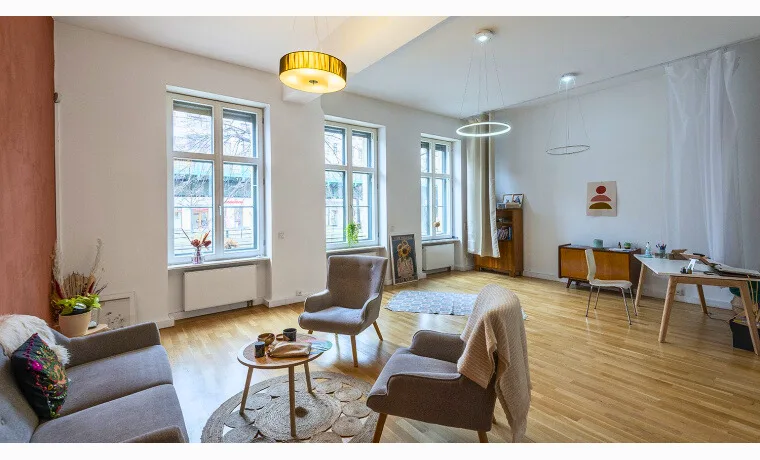
Nous proposons diverses salles à louer dans nos bureaux berlinois, n'hésitez pas à nous contacter pour plus de détails ! Des grandes comme des petites. Pour tous les budgets.