 Berlin
English
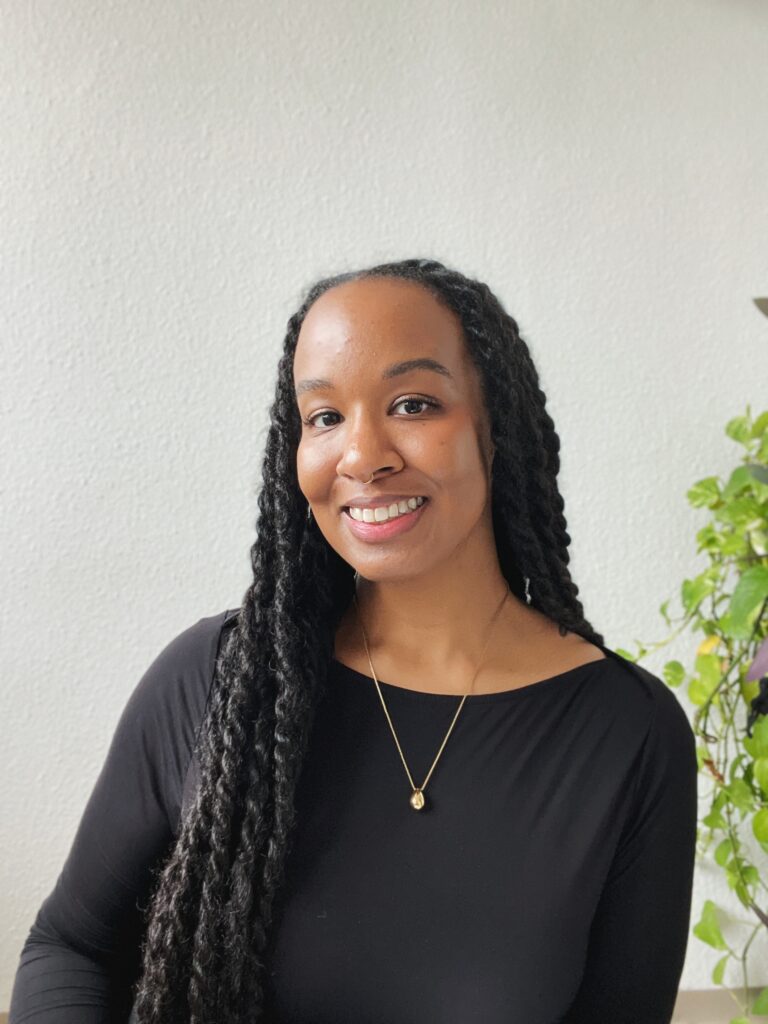
Lacy Silas
Therapist / Art therapist
MIT Berlin – Schönhauser Allee 55
Life is tough and so are you, but we can’t be tough forever. Together we can help you come into better contact with your…
View profileFind help and support for Art Therapy in Berlin
BerlinLife is tough and so are you, but we can’t be tough forever. Together we can help you come into better contact with your…
View profileBerlinLife is tough and so are you, but we can’t be tough forever. Together we can help you come into better contact with your…
View profileArt Therapy is a form of psychotherapy that uses creative expression to support emotional awareness, communication and change. It combines art-making with a therapeutic relationship. The goal is not to create beautiful art. The goal is to explore feelings, memories, needs and patterns in a safe way.
This approach may help when words feel limited. A client may use drawing, painting, collage, clay, objects, colour or other materials. The image then becomes a starting point for reflection. The therapist helps the client notice what happened during the process, what the image may express, and how it connects with daily life.
Art Therapy can support people dealing with anxiety, depression, grief and bereavement or trauma. It may also help with stress, emotional numbness, low self-esteem, identity questions, life transitions or experiences that feel hard to explain directly. The therapist adapts the pace to the person’s needs and level of emotional safety.
A session often starts with a short check-in. The therapist may offer a theme or invite the client to choose materials freely. After the creative work, therapist and client reflect together. They may explore colours, shapes, body sensations, avoided areas, strong feelings or unexpected details. The client does not need artistic training. The artwork does not need to be shown outside therapy.
Art Therapy may suit adults, teenagers and children. It can be especially useful for younger clients who express feelings through play, image and movement. Families may also explore therapy for children when a child needs age-adapted support. For people living abroad or working in another language, online therapy may also make support easier to access.
Art Therapy can work alongside other approaches, such as Cognitive Behavioral Therapy (CBT) or EMDR Therapy, depending on the person’s goals. It does not replace medical care, crisis support or specialist trauma care when these are needed.
For newcomers to Berlin, culture shock, German bureaucracy and a social life to rebuild can add pressure, and art therapy is one way to find support. No artistic skill is needed: images and objects become a way to express what is hard to put into words, and you talk about them with the therapist.
Sessions usually last 50 to 60 minutes, weekly or every two weeks, in person in Berlin when a therapist offers it or online by secure video. Insurance cover for this kind of session varies in Germany, so it is worth asking your insurer before you start. If you are not sure whether art therapy fits what you are going through, send us a message and we will suggest therapists who match your needs.
For Art Therapy in Berlin, you can usually expect a price around
Workshops and resources linked to this therapy and this city.
Benefit from a well implemented health center with physical locations
We verify the therapist profiles available through the platform.
My International Therapy, unlike most platforms, offers offices you can visit in Berlin
A platform thought and made by E.U licensed therapists, with verified health support.
Choose a verified therapist, login to your dashboard manage your booking
Send a message or book through your therapist's dedicated page
Login to your secure patient's dashboard
Easily message your therapist and manage your bookings

Uses creative expression to explore emotions and support healing.
Your therapist will adapt the pace and focus of sessions to your needs, goals, and current situation.
Art Therapy is often used for concerns such as Anxiety, Depression, Grief & bereavement, and Trauma.
The therapy page also shows which therapists on MIT currently offer this approach.
A first session usually focuses on understanding what brings you to therapy, what you want to change, and whether the therapist’s style feels like a good fit.
You do not need to prepare anything perfect in advance. It is normal to start with questions, uncertainty, or mixed feelings.
This depends on your goals, the complexity of what you are dealing with, and how structured the approach is. Some people use this therapy for short-term focused work, while others stay longer for deeper change.
Availability depends on the therapist. On MIT, you can check the therapist cards and profile pages to see whether online sessions are offered.
Fees vary by therapist. When no live therapist prices are available yet, the usual range for this therapy is around €80–€140 per session.
Start by reading the therapist’s profile, experience, languages, online/in-person availability, and approach. Then check whether the person works with the kind of issue you want help with.
A good fit is often about both expertise and how safe, understood, and comfortable you feel with the therapist.
Yes. MIT profiles can include direct messaging, and therapists can also activate online booking when available.
This helps patients ask practical questions before committing to a first session.
That is very common. You can start by contacting a therapist, explaining what you are struggling with, and asking whether this approach fits your goals.
If no therapist is listed yet for this therapy, you can still explore related approaches and pathologies on the site.
Both are possible, depending on the therapist. Some therapists on My International Therapy receive clients in person in Berlin, others work online by secure video, and many offer both. Each profile shows the formats offered. Online sessions are also a way to keep the same therapist if you move or travel.
Yes. Many therapists in the network work in English, and others in German, Russian, Ukrainian and further languages. You can browse English-speaking, German-speaking, Russian-speaking and Ukrainian-speaking therapists in Berlin, and every profile lists the languages spoken.
Statutory health insurance (gesetzliche Krankenversicherung) covers psychotherapy with licensed psychotherapists who have a contract with the insurance funds, but waiting times of several months are common. Many international residents therefore start with a private therapist and pay directly. Private health insurance and some supplementary or expat policies reimburse part of the sessions, depending on the therapist’s qualification: check your contract. Therapists provide invoices you can submit to your insurer.
Each therapist sets their own fee, which is shown on their profile. As a guide, most individual approaches on this site are listed between €80 and €180 per session, couples and family therapy between €120 and €220, and coaching, career counselling or parenting support between €70 and €130. Sessions usually last 50 to 60 minutes.
Therapy is not an emergency service. If you or someone close to you is in danger, call 112. The Telefonseelsorge offers free, anonymous support 24/7 on 0800 111 0 111 or 0800 111 0 222.
The relationship with your therapist matters as much as the method. Compare profiles for the approach used, the topics they work with, the languages, the format and the fee. If you are unsure where to start, describe what you are going through and we will suggest therapists who suit your needs. The first session is also a chance to see whether the fit feels right.
Explore other therapy options available in Berlin. Click a therapy to see therapists who offer it in this city.
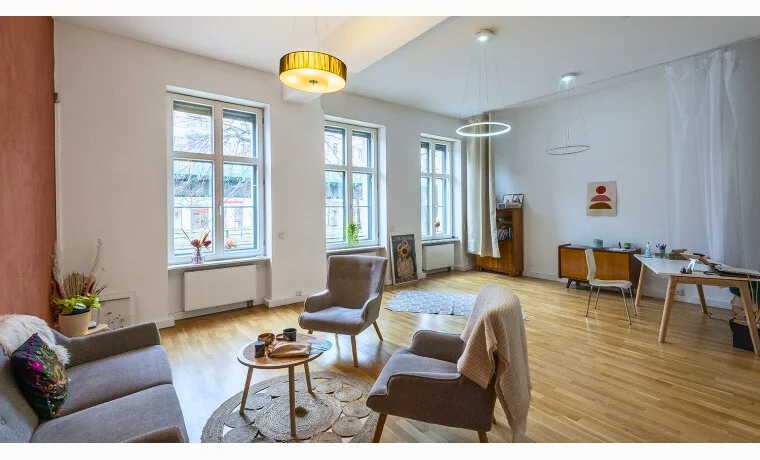
We offer various rooms for rent in our Berlin Offices, please reach out to us for the details! Big as well as small ones. For all budgets.
Group workshops led by our therapists, in our centres and online.

5 December 2026 · 11:30 · At our centre in Berlin — Schönhauser Allee 55, 10437 Berlin
 Language: English
20 March 2027 · 10:00 · Nice
 Language: French