




Trouvez votre thérapeute Quelle thérapie ? Pourquoi nous ? Ressources
Nos thérapeutes RECOMMANDÉS

Rencontrez nos thérapeutes offrant de l'aide pour Low mood

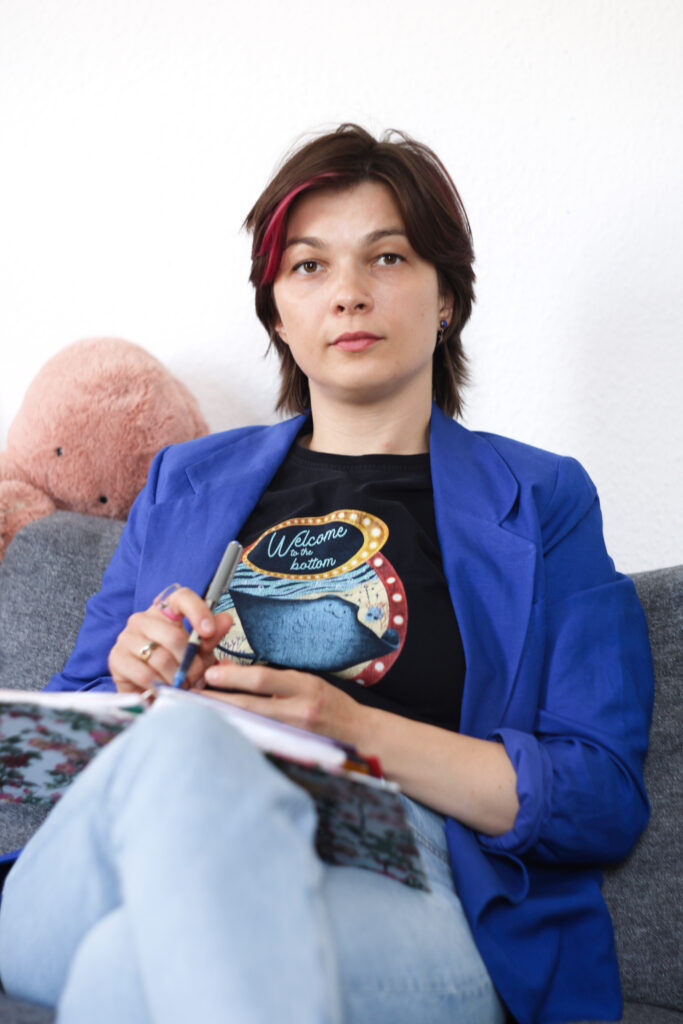
Lydia Bello
AnglaisEspagnol

Lydia Bello

Thérapeute / Psychologue agréé(e) / Psychothérapeute humaniste-Gestalt / Conseiller(ère) conjugal(e) et familial(e)

Je suis psychologue agréée et psychothérapeute humaniste-gestaltiste avec plus de 13 ans d'expérience accompagnant adolescents, adultes et couples à travers leurs moments les plus vulnérables et transformateurs…

Consulter le profil
Shubhangi SethiBerlin
AnglaisHindiPendjabi

Shubhangi Sethi

Psychologue / Praticien en psychologie / Thérapeute pour enfants et adolescents

À propos de moi Je suis psychologue conseil avec plus de 7 ans d'expérience accompagnant les enfants, adolescents, adultes et familles à travers des défis émotionnels, développementaux et mentaux…

Consulter le profil
Looking for help with Low mood? You're in the right place.

What is low mood?

Low mood describes a period of feeling down, flat, tired or discouraged. Everyone goes through it from time to time, after a disappointment, a stressful period or a change in circumstances. It often lifts after a few days or weeks, especially when the cause eases. But low mood can also settle in, quietly reducing energy, motivation and pleasure, until everyday life starts to feel heavy.

Low mood is not the same as clinical dépression, although the two lie on a continuum. Paying attention early, and getting support when it lasts, can stop it from deepening. On this page you will find common signs, possible causes, what therapy can offer and therapists who can help, in person or online.

Common signs of low mood

  • Feeling sad, empty, irritable or tearful more often than usual
  • Losing interest in things you normally enjoy
  • Low energy, tiredness that sleep does not fix
  • Changes in sleep or appetite
  • Harsh self-talk, guilt or a sense of not being good enough
  • Difficultés à se concentrer ou à prendre des décisions
  • Pulling away from friends, family or activities

Low mood, depression or something else?

The difference is mostly a matter of intensity and duration. When symptoms are present most of the day, nearly every day, for two weeks or more, and they affect work, relationships or self-care, a professional should assess whether it is depression. A long-lasting, milder low mood that has been there for years may correspond to persistent depressive disorder (dysthymia). Low mood that comes back every autumn and winter can point to seasonal affective disorder, and marked ups and downs to sautes d'humeur.

Causes possibles et facteurs contributifs

Low mood rarely has a single cause. It usually comes from a combination of circumstances, habits and personal history:

Comment la thérapie peut-elle aider ?

Therapy helps you understand what is keeping your mood low and what helps it lift. A therapist works with you to notice patterns of thinking and behaviour that drain energy, to reconnect with activities and people that matter, and to address the situations behind the low mood. Sessions are collaborative: you set the goals together and review progress regularly. Many people notice a difference after a few weeks.

Therapy approaches that can help

TCC, and in particular behavioural activation, is one of the best-studied approaches for low mood. Thérapie interpersonnelle (TIP) focuses on relationships and role changes, ACT on living according to your values, compassion-focused therapy on self-criticism, and MBCT helps prevent low mood from returning.

Practical steps that can help

  • Plan one small, achievable activity each day, even when motivation is low: action often comes before motivation
  • Get outside in daylight and move your body, even for ten minutes
  • Keep regular times for sleep and meals
  • Reach out to one person this week, in your own language if that is easier
  • Limit alcohol, which deepens low mood over time
  • Write down what drains you and what lifts you, and look for patterns

Quand chercher de l'aide

Talk to a therapist or a doctor if low mood lasts more than two weeks, keeps coming back, or makes it hard to work, study or look after yourself. If you have thoughts of harming yourself or ending your life, contact your local emergency number (112 in Europe) or a crisis line immediately.


60 à 120 €

Envisagez de chercher un soutien professionnel si vos symptômes sont fréquents, intenses ou interfèrent avec votre vie quotidienne (travail, études, relations, sommeil).

Si vous vous sentez en danger ou à risque immédiat de préjudice, contactez immédiatement les services d'urgence locaux ou une ligne d'écoute de crise. Cette page sur L'humeur dépressive est fournie à titre informatif uniquement et ne remplace pas un conseil médical.

Low mood: frequently asked questions

What are common symptoms of Low mood?

Common signs may include low mood or sadness, loss of interest or pleasure, low energy and fatigue, sleep or appetite changes, hopelessness or harsh self-criticism. Symptoms vary from person to person, so a qualified professional can help clarify what is happening.

Which therapies can help with Low mood?

The best therapy depends on the person’s symptoms, goals, history, and preferences. A therapist can recommend an approach after assessment.

How long does treatment for Low mood take?

8–16 weeks is typical for focused work, sometimes longer for recurrent or severe depression.

When should I seek help for Low mood?

Envisagez de solliciter l'aide d'un professionnel si vos symptômes sont fréquents, intenses ou s'ils perturbent votre travail, vos études, vos relations, votre sommeil ou votre vie quotidienne. Si vous ne vous sentez pas en sécurité ou si vous craignez un danger immédiat, contactez sans tarder les services d'urgence locaux ou une ligne d'écoute d'urgence. Cette page a un but informatif et ne remplace en aucun cas un avis médical.

Ateliers et événements à venir

Ateliers et événements de groupe animés par des thérapeutes de notre réseau, en présentiel ou en ligne.

30 oct 2026

Introduction aux compétences inspirées de la TCD

En ligne17:00960 min560,00 EUR

Horaire : Les vendredis après-midi, 8 sessions (2 heures chacune) 30 octobre · 6, 13, 20, 27 novembre · 4, 11, 18 décembre 2026 Il y a des moments où les émotions semblent…

Mora Neustadt

Pourquoi choisir My International Therapy ?

Parce que nous ne sommes pas une plateforme de mise en relation

Contrairement à d'autres plateformes de rencontre,
« My International Therapy » est un lieu bien réel que vous pouvez visiter dans votre ville ! 
Nous formons un écosystème dédié à la santé mentale

Les thérapeutes sont triés sur le volet

Tous les thérapeutes sont recrutés, interviewés et sélectionnés par notre équipe d’experts en santé mentale.

Nous sommes un véritable centre de thérapie !

Nous avons des lieux physiques ! Venez nous rendre visite en Allemagne, en France, en Espagne... et bientôt dans d’autres pays !

Un écosystème de ressources pour nos thérapeutes

Les supervisions, les réunions régulières, les ateliers et les événements, ainsi qu'un accompagnement complet et du matériel thérapeutique, font partie intégrante de notre ADN.

nous sommes nous-mêmes thérapeutes !

Nous sommes une équipe de psychologues et de thérapeutes dévoués

Vous cherchez une thérapie ?

Réservez en 3 étapes simples

Créez un compte en 2 minutes

Étape 1

Créez un compte en quelques minutes

Étape 2

Rechercher un thérapeute en fonction de ses disponibilités et de vos critères de sélection

Étape 3

Prenez rendez-vous avec le thérapeute certifié de votre choix

Explorer davantage

Problématiques associées

Autres difficultés pour lesquelles nos thérapeutes peuvent vous aider. Ouvrez un sujet pour trouver le thérapeute qui vous convient.