BerlinMariia Zaro
Qualified psychologist and hypnotherapist, I support my clients toward personal transformation, the release of emotional blocks, and the strengthening of self-confidence. I assist individuals…
View profileFind help and support for Hypnosis and Hypnotherapy in Berlin
BerlinQualified psychologist and hypnotherapist, I support my clients toward personal transformation, the release of emotional blocks, and the strengthening of self-confidence. I assist individuals…
View profile
BerlinI am a systemic therapist and a non-medical practitioner specialising in psychotherapy. My approach is intersectional; that is, I take into account the diverse…
View profile
BerlinMy practice is a warm, integrative and trauma-informed space for people who want to understand themselves more deeply, reconnect with their bodies and create…
View profile
BerlinConsultations available in English, French and Spanish. As a musician and passionate about music for as long as I can remember, it felt natural…
View profile
BerlinQualified psychologist and hypnotherapist, I support my clients toward personal transformation, the release of emotional blocks, and the strengthening of self-confidence. I assist individuals…
View profile
BerlinI am a systemic therapist and a non-medical practitioner specialising in psychotherapy. My approach is intersectional; that is, I take into account the diverse…
View profile
BerlinMy practice is a warm, integrative and trauma-informed space for people who want to understand themselves more deeply, reconnect with their bodies and create…
View profile
BerlinHypnotherapy & Coaching in Berlin What if the answer isn't trying harder? Go deeper. Get unstuck. Move forward. 15 years of international business leadership…
View profileHypnosis and Hypnotherapy use focused attention, relaxation, imagery and therapeutic suggestion to support change. In clinical work, hypnosis is not sleep, mind control or stage performance. The person remains aware and can speak, move, refuse a suggestion or stop the exercise. Many people experience it as a calm, absorbed state of attention.
Hypnotherapy may be useful for people working with anxiety, phobias, stress, sleep issues, panic attacks, body tension, habit change, performance anxiety or emotional regulation. It can also be used as complementary support for goals such as smoking cessation, preparation for a medical procedure or coping with chronic pain, when this is appropriate and safe.
A session usually begins with a conversation about the client’s goal, symptoms, health history and expectations. The therapist explains the process and checks consent before using hypnosis. The hypnotic part may include breathing, relaxation, focusing attention, guided imagery, metaphors, mental rehearsal or therapeutic suggestions. Afterward, there is usually time to return fully to the room and discuss the experience.
Some therapists use Ericksonian hypnotherapy, a flexible style that often relies on stories, metaphors and indirect suggestions. Others integrate hypnotherapy with CBT, behavioural strategies, relaxation training, trauma-informed work or Somatic Therapy. The right format depends on the person’s needs and the therapist’s training.
Hypnotherapy should not be presented as magic or as a guaranteed quick fix. It works best when the goal is realistic, the client feels safe, and the work is connected to practical change. It may need careful adaptation in cases of trauma, dissociation, psychosis, severe depression or medical complexity.
This information is educational and does not replace professional assessment, emergency support or medical care.

Intense work rhythms, a demanding housing search and long grey winters are part of life in Berlin, and they are among the reasons people turn to hypnotherapy. You stay aware and in control during the session; the therapist uses guided focus and suggestions linked to goals you have agreed together.
Online sessions by secure video are a practical option if you live outside the centre of Berlin, travel often or are about to move. Some insurers or employers in Germany contribute to this kind of support and others do not, so check your contract before you start. If you are not sure whether hypnotherapy fits what you are going through, send us a message and we will suggest therapists who match your needs.
For Hypnosis and Hypnotherapy in Berlin, you can usually expect a price around
Workshops and resources linked to this therapy and this city.
Benefit from a well implemented health center with physical locations
We verify the therapist profiles available through the platform.
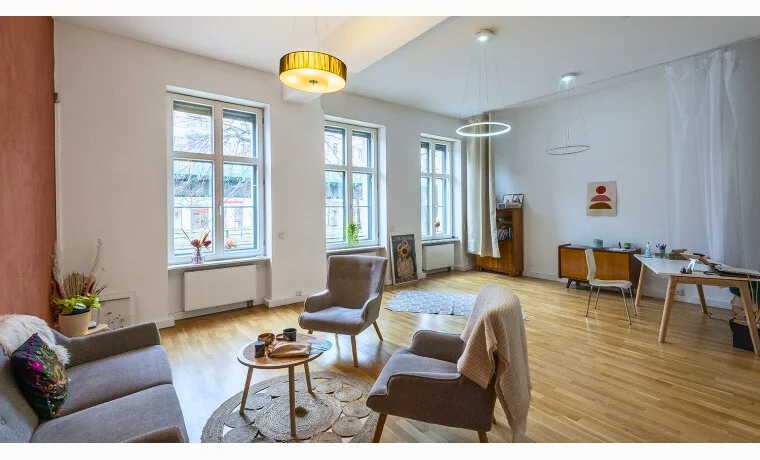
My International Therapy, unlike most platforms, offers offices you can visit in Berlin
A platform thought and made by E.U licensed therapists, with verified health support.
Choose a verified therapist, login to your dashboard manage your booking
Send a message or book through your therapist's dedicated page
Login to your secure patient's dashboard
Easily message your therapist and manage your bookings
Uses guided hypnosis to support behavior change and symptom relief.
Your therapist will adapt the pace and focus of sessions to your needs, goals, and current situation.
Hypnotherapy is often used for concerns such as Anxiety, Phobias, Sleep problems, and Stress.
The therapy page also shows which therapists on MIT currently offer this approach.
A first session usually focuses on understanding what brings you to therapy, what you want to change, and whether the therapist’s style feels like a good fit.
You do not need to prepare anything perfect in advance. It is normal to start with questions, uncertainty, or mixed feelings.
This depends on your goals, the complexity of what you are dealing with, and how structured the approach is. Some people use this therapy for short-term focused work, while others stay longer for deeper change.
Availability depends on the therapist. On MIT, you can check the therapist cards and profile pages to see whether online sessions are offered.
Fees vary by therapist. When no live therapist prices are available yet, the usual range for this therapy is around €90–€170 per session.
Start by reading the therapist’s profile, experience, languages, online/in-person availability, and approach. Then check whether the person works with the kind of issue you want help with.
A good fit is often about both expertise and how safe, understood, and comfortable you feel with the therapist.
Yes. MIT profiles can include direct messaging, and therapists can also activate online booking when available.
This helps patients ask practical questions before committing to a first session.
That is very common. You can start by contacting a therapist, explaining what you are struggling with, and asking whether this approach fits your goals.
If no therapist is listed yet for this therapy, you can still explore related approaches and pathologies on the site.
Both are possible, depending on the therapist. Some therapists on My International Therapy receive clients in person in Berlin, others work online by secure video, and many offer both. Each profile shows the formats offered. Online sessions are also a way to keep the same therapist if you move or travel.
Yes. Many therapists in the network work in English, and others in German, Russian, Ukrainian and further languages. You can browse English-speaking, German-speaking, Russian-speaking and Ukrainian-speaking therapists in Berlin, and every profile lists the languages spoken.
Statutory health insurance (gesetzliche Krankenversicherung) covers psychotherapy with licensed psychotherapists who have a contract with the insurance funds, but waiting times of several months are common. Many international residents therefore start with a private therapist and pay directly. Private health insurance and some supplementary or expat policies reimburse part of the sessions, depending on the therapist’s qualification: check your contract. Therapists provide invoices you can submit to your insurer.
Each therapist sets their own fee, which is shown on their profile. As a guide, most individual approaches on this site are listed between €80 and €180 per session, couples and family therapy between €120 and €220, and coaching, career counselling or parenting support between €70 and €130. Sessions usually last 50 to 60 minutes.
Therapy is not an emergency service. If you or someone close to you is in danger, call 112. The Telefonseelsorge offers free, anonymous support 24/7 on 0800 111 0 111 or 0800 111 0 222.
The relationship with your therapist matters as much as the method. Compare profiles for the approach used, the topics they work with, the languages, the format and the fee. If you are unsure where to start, describe what you are going through and we will suggest therapists who suit your needs. The first session is also a chance to see whether the fit feels right.
Explore other therapy options available in Berlin. Click a therapy to see therapists who offer it in this city.

We offer various rooms for rent in our Berlin Offices, please reach out to us for the details! Big as well as small ones. For all budgets.
Group workshops led by our therapists, in our centres and online.

5 December 2026 · 11:30 · At our centre in Berlin — Schönhauser Allee 55, 10437 Berlin
Language: English

20 March 2027 · 10:00 · Nice
Language: French