Trauma & PTSD therapy in Berlin


Trauma & PTSD Therapy in Berlin: Support in English and Other Languages
A frightening, violent or overwhelming experience can stay with a person long after it is over. For some people the effects show up straight away. For others they appear months, or even years, later. If this sounds familiar, you are not alone, and it is not a sign of weakness: anyone can be affected after a potentially traumatic event, and there are psychological therapies designed for exactly this.
My International Therapy brings together psychotherapists who work in English, German, French, Spanish and other languages, in person in Berlin or online. This page explains what trauma and PTSD are, how therapy can help, what a first session looks like and what to know if you are new to Germany. It is general information only. It cannot replace an assessment, and only a qualified professional who has met you can make a diagnosis.
For more on each condition, see our pages on PTSD (post-traumatic stress disorder) and complex PTSD (C-PTSD).
If you are in crisis or in danger
If you or someone else is in immediate danger, or if this is a medical emergency, call 112 or go to the nearest hospital emergency department.
-
TelefonSeelsorge: 0800 111 0 111, 0800 111 0 222 or 116 123. Free of charge, anonymous, day and night. You can also reach them by chat or e-mail (telefonseelsorge.de, in German).
-
Berliner Krisendienst: free of charge, 24 hours a day, anonymous on request. By phone, in person and, in acute situations, on site, with 9 locations in Berlin. The phone number depends on your district and is listed on berliner-krisendienst.de.
-
Hilfetelefon Gewalt gegen Frauen (violence against women): 116 016, free of charge and anonymous, 24 hours a day, every day of the year, with advice in 18 foreign languages (hilfetelefon.de).
-
Hilfetelefon Sexueller Missbrauch (sexual abuse): 0800 22 55 530, free of charge and anonymous. Monday, Wednesday and Friday 9:00 to 14:00, Tuesday and Thursday 15:00 to 20:00. Not staffed on nationwide public holidays or on 24 and 31 December. Interpreters can be added on request (hilfe-portal-missbrauch.de).
My International Therapy does not provide emergency or crisis care, and our therapists cannot respond to urgent situations.
What is PTSD—and how is Complex PTSD different?
Post-traumatic stress disorder (PTSD) is a reaction that can develop after a frightening or deeply distressing event. Most people who live through such events do not develop it: the World Health Organization estimates that around 70% of people worldwide experience at least one potentially traumatic event in their lifetime, and that only a minority of them (5.6%) go on to develop PTSD. For those who do, the symptoms can get in the way of daily life (source: WHO fact sheet on PTSD).
Common signs of PTSD
The descriptions of the NHS and the WHO include:
-
Re-living the event: distressing thoughts, flashbacks, vivid or intrusive images, and recurring dreams or nightmares.
-
Avoiding reminders: staying away from people, places, activities or thoughts connected to what happened.
-
Feeling on edge: feeling very anxious, looking out for danger all the time (hypervigilance) and having trouble sleeping.
-
Changes in thoughts and mood: negative thoughts or beliefs about yourself, losing interest in things you used to enjoy, difficulty controlling or feeling emotions, low mood or irritability.
Symptoms can start straight after the event or many months, or even years, later. Having some of these experiences does not mean that you have PTSD, and PTSD can only be diagnosed by a qualified professional after an assessment.
Complex PTSD (C-PTSD) is linked to trauma that was repeated or went on for a long time, such as child abuse or neglect, ongoing domestic violence or abuse, or repeatedly witnessing violence or abuse. The NHS describes its symptoms as largely the same as those of PTSD, and some clinicians also describe lasting difficulties with managing emotions, a negative view of oneself and strain in close relationships. If early experiences are part of your story, our pages on childhood trauma and childhood trauma therapy may be useful.
Not every reaction to a distressing experience is PTSD. After trauma people can also have anxiety, low mood, sleep problems or grief, or turn to alcohol or other substances to cope. These are worth talking about too, and a therapist can help you work out what is going on.


Who can be affected?
Anyone can experience PTSD after a potentially traumatic event. According to the WHO, an estimated 3.9% of the world’s population has had PTSD at some stage in their lives, and people who have been through traumatic events before are more susceptible. Trauma can follow a single event, such as an accident, an assault or a sudden loss, or experiences that go on for a long time, such as violence at home, war, or abuse or neglect in childhood. Depression, anxiety, sleep problems or using alcohol or drugs to cope can appear alongside it, which is one reason why trauma-informed care looks at the whole person and not at a single symptom.
How therapy can help
Psychological therapy is the first choice for PTSD. The WHO states that evidence-based psychological interventions are the first-choice treatments, and that those with the most evidence are cognitive behavioural therapy (CBT) with a trauma focus and eye movement desensitisation and reprocessing (EMDR). The NHS also lists trauma-focused CBT and EMDR among the treatments for PTSD. Some people are offered medication as well; that is a decision to take with a doctor.
Approaches your therapist may use
-
Trauma-focused CBT
Helps you work through the memory of what happened and the thoughts and beliefs that came with it, step by step and at a pace you can manage. According to the WHO, many of the treatments with the most evidence involve exposure techniques, in which the person recalls, talks about or imagines what happened within a safe and supportive environment. See Trauma-Focused CBT, trauma-focused therapy and exposure therapy. -
EMDR (Eye Movement Desensitization and Reprocessing)
A structured method in which eye movements are used to help process traumatic memories. In Germany, EMDR has been recognised by the Federal Joint Committee (G-BA) for the treatment of adults with PTSD in the psychotherapy guideline since January 2015. See EMDR therapy. -
Body-oriented (somatic) approaches
Pay attention to how trauma shows up in the body, for example as tension, startle reactions or trouble sleeping, and use that awareness to help you feel calmer and safer. They can be combined with other methods. See body-oriented psychotherapy and somatic therapy. -
Other approaches
Depending on your history and goals, your therapist may also draw on approaches such as Internal Family Systems (IFS), schema therapy or mindfulness.
No single approach suits everyone. Your therapist will explain what they propose and why, and you are welcome to ask questions at any point. How long therapy takes varies from person to person; your therapist will talk this through with you and review it together as you go.
What does a first session look like?
Starting trauma therapy can feel daunting. The first session is mainly about getting to know each other, and you set the pace.
-
Getting to know each other. You and your therapist talk about what brings you to therapy, what you would like to change and what you need in order to feel safe.
-
You decide how much to share. You do not have to describe what happened in detail. Many people start with how they are doing today.
-
An initial assessment. Your therapist asks about your symptoms, sleep, health, daily life and the support around you. Questionnaires or a structured interview can be part of this.
-
Information. Your therapist explains how trauma can affect mind and body, and which approaches may be suitable for you.
-
Goals and next steps. You agree on what you want to work on and how to continue. You can ask about confidentiality, languages, session length and fees, and decide afterwards whether this therapist feels right for you.
Trauma therapy does not mean being pushed into the most painful memories on the first day. Your therapist explains each step before you take it, and you can say when you need to slow down. Sessions take place in person in Berlin or online.

Psychological support & Therapies
Trauma therapy as an expat or international in Berlin
Living far from home, or in a language that is not your first, can make it harder to talk about painful experiences. Many people find it easier to do so in their mother tongue. At My International Therapy you can look for a therapist who works in English, German, French, Spanish or another language, in person in Berlin or by secure video. Our therapists are used to working with people from many countries and backgrounds, and with the questions that come with moving abroad.
Online sessions are an option if you travel, move or live outside Berlin. Your therapist will tell you if they think a particular step is better taken in person.
Paying for therapy in Germany
Whether your health insurance covers psychotherapy depends on your insurance and on the therapist’s status. Please ask your insurer before you start. As general information: under § 13 of the German Social Code Book V (SGB V), if a statutory health insurer cannot provide an urgent service in time, or has wrongly refused a service, and you have paid for it yourself, it must reimburse the costs, provided the service was necessary. Whether this applies to your situation is for your insurer to decide.
Frequently asked questions about trauma and PTSD therapy
What is the difference between trauma and PTSD?
Trauma describes a very distressing experience and the lasting effects it can leave. PTSD is a specific condition that can develop afterwards, with symptoms such as re-living the event, avoiding reminders, feeling constantly on edge, and changes in mood and thinking. Many people have strong reactions after a traumatic event without having PTSD. Only a qualified professional can make a diagnosis, after an assessment.
How do I know whether I need trauma therapy?
If memories, nightmares, avoidance, feeling constantly on guard or low mood are affecting your sleep, work, relationships or daily life, it can help to talk to a professional. You do not have to wait until things feel unbearable, and you do not need a diagnosis to ask for support.
Which therapies are used for PTSD?
The WHO and the NHS name trauma-focused cognitive behavioural therapy (CBT) and EMDR among the treatments for PTSD. Your therapist can explain which approach they suggest for you and why. Other methods, such as body-oriented approaches, can be used alongside.
Can I have trauma therapy in English or another language in Berlin?
Yes. Our therapists work in English, German, French, Spanish and other languages, and you can choose between sessions in person in Berlin and online sessions. Use the list below or our guided questionnaire “Help me find a therapist” to find a therapist who speaks your language.
Do I have to talk about everything in the first session?
No. You decide how much you share and when. The first session is mainly about getting to know each other, understanding what you need and agreeing on next steps.
How long does trauma therapy take?
It varies from person to person, depending on your history, your symptoms and your life situation. After getting to know you, your therapist can talk through what to expect and will review your progress with you along the way.
Can I do trauma therapy online?
Yes, online sessions are available. Your therapist will discuss with you whether online work suits you and whether any step is better taken in person.
Will my health insurance pay for therapy?
This depends on your insurance and on the therapist’s status, so please ask your insurer before you start. The section above on paying for therapy in Germany gives some general information.
What should I do if I am in crisis?
If you or someone else is in immediate danger, or if this is a medical emergency, call 112. TelefonSeelsorge (0800 111 0 111, 0800 111 0 222 or 116 123) is free of charge and available day and night. My International Therapy does not provide emergency or crisis care.
Therapists who work with trauma
These are therapists at the centre who work with trauma. If you would rather be guided, our guided questionnaire Help me find a therapist can help you find the right person.
 Berlin
Gaia Gozzano
INDIVIDUAL I have a psychoanalytic background, but over the years I've found my approach is intuitively tailored to each person rather than built around…
View profile
Dr Suzan Naseredine
I provide integrative psychological counselling , therapy and coaching for adults, children, adolescents, and families, supporting clients with stress, anxiety, emotional difficulties, relationship challenges,…
View profile
Javier Llopis Sanz
Hello, my name is Javi, and I am a general health psychologist. I offer online therapy in Spanish from a perspective oriented toward paying…
View profile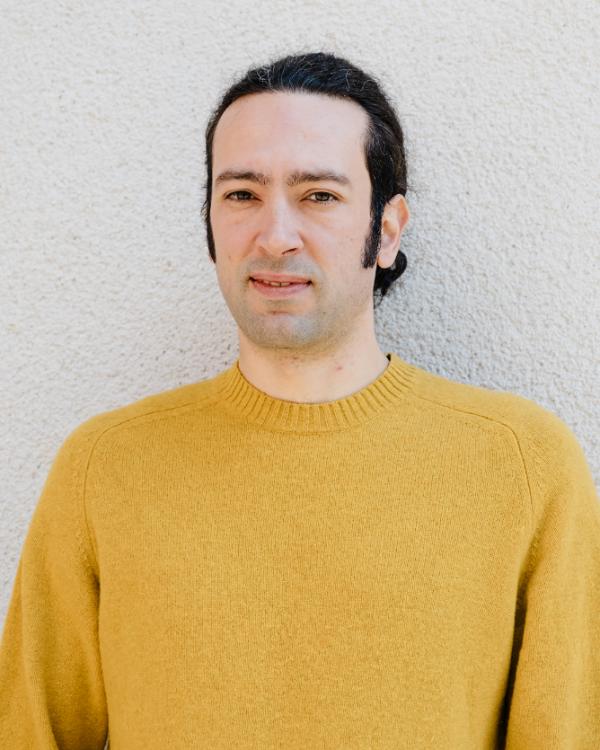 Berlin
Andrej Todorovic
About Me I am a psychodynamically oriented therapist, offering psychological support to adults navigating anxiety, depression, trauma, relationship difficulties, and periods of change or…
View profile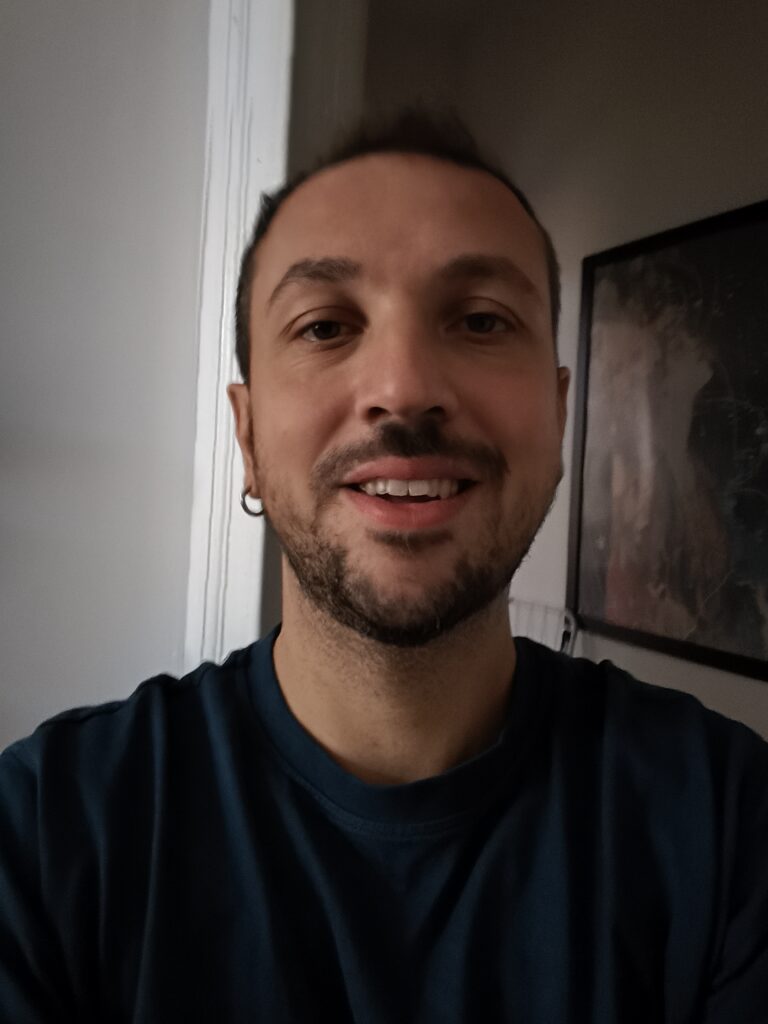 Berlin
Fabio Sannino
I am a systemic therapist and a non-medical practitioner specialising in psychotherapy. My approach is intersectional; that is, I take into account the diverse…
View profile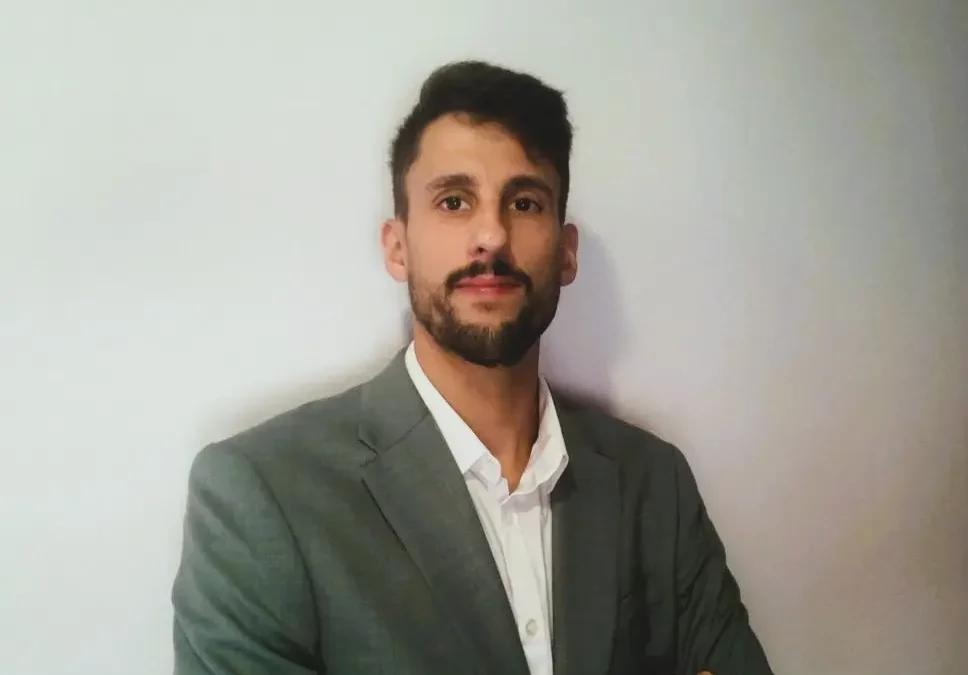 Berlin
Frederico Quelhas
Clinical Psychologist and Behavioral Therapist I am a passionate and EuroPsy-certified clinical psychologist, specializing in burnout management, stress, and anxiety. My approach is primarily…
View profileOur therapeutic approach
At My International Therapy – Berlin, we offer trauma-informed care for PTSD, complex PTSD and the after-effects of difficult experiences, in a supportive setting that respects your culture and your language. Depending on your needs, your therapist may suggest trauma-focused CBT, EMDR or body-oriented work, alongside support for sleep and emotion regulation. To get started, use the contact form on this page or find your therapist.
This page offers general information. It does not replace medical or psychological advice, and it does not promise any particular result: how therapy works and how long it takes differs from person to person.